

GRP profiles for frames, guards, supports and fabrication.
Choose angles, channels, box section, tubes and structural profiles for corrosive, non-conductive and low-maintenance industrial projects.
Choose by the job, not just the shape
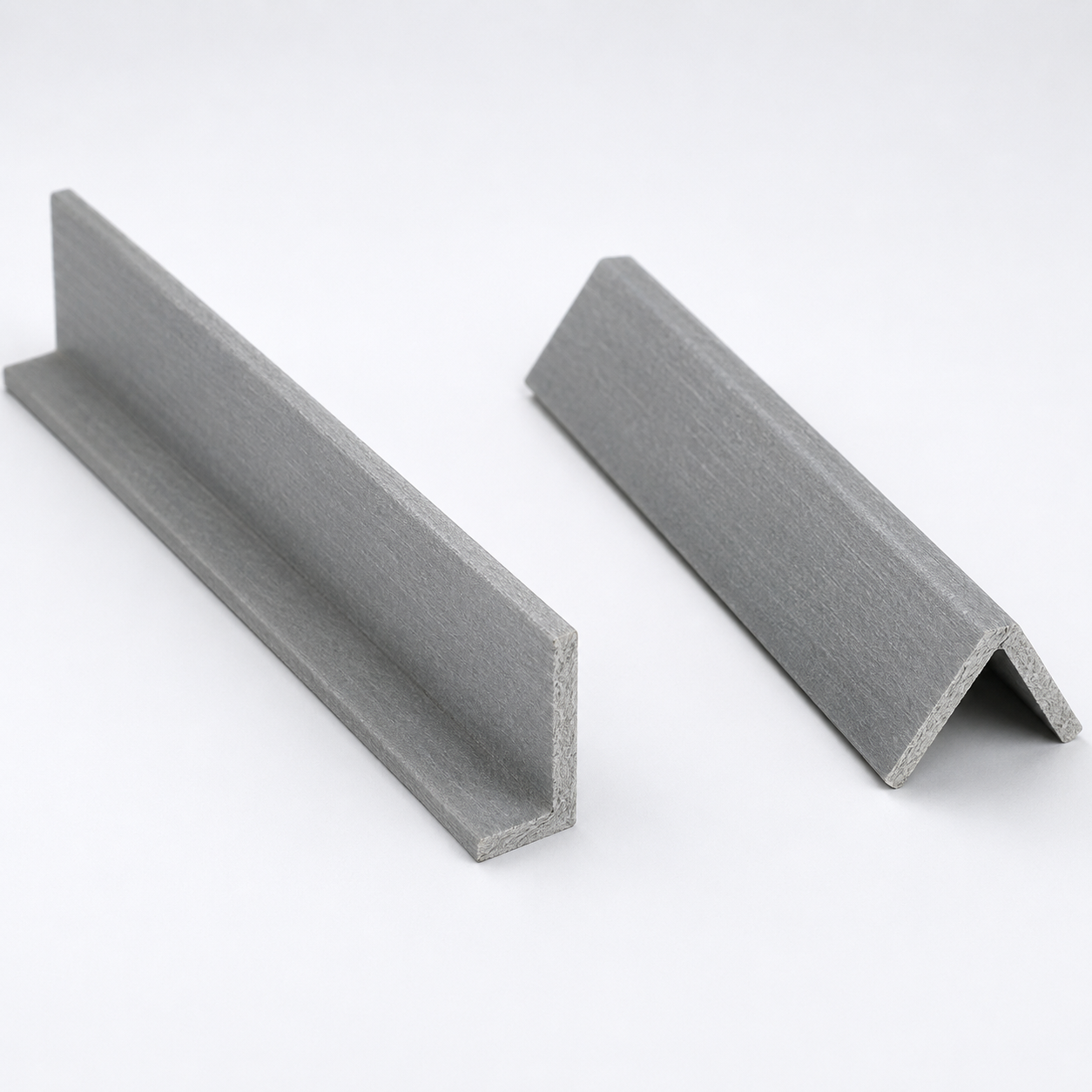
Edge protection and trims
Angles suit edging, support lips, cover frames, corner protection and simple fixing interfaces where steel would corrode or need coating.
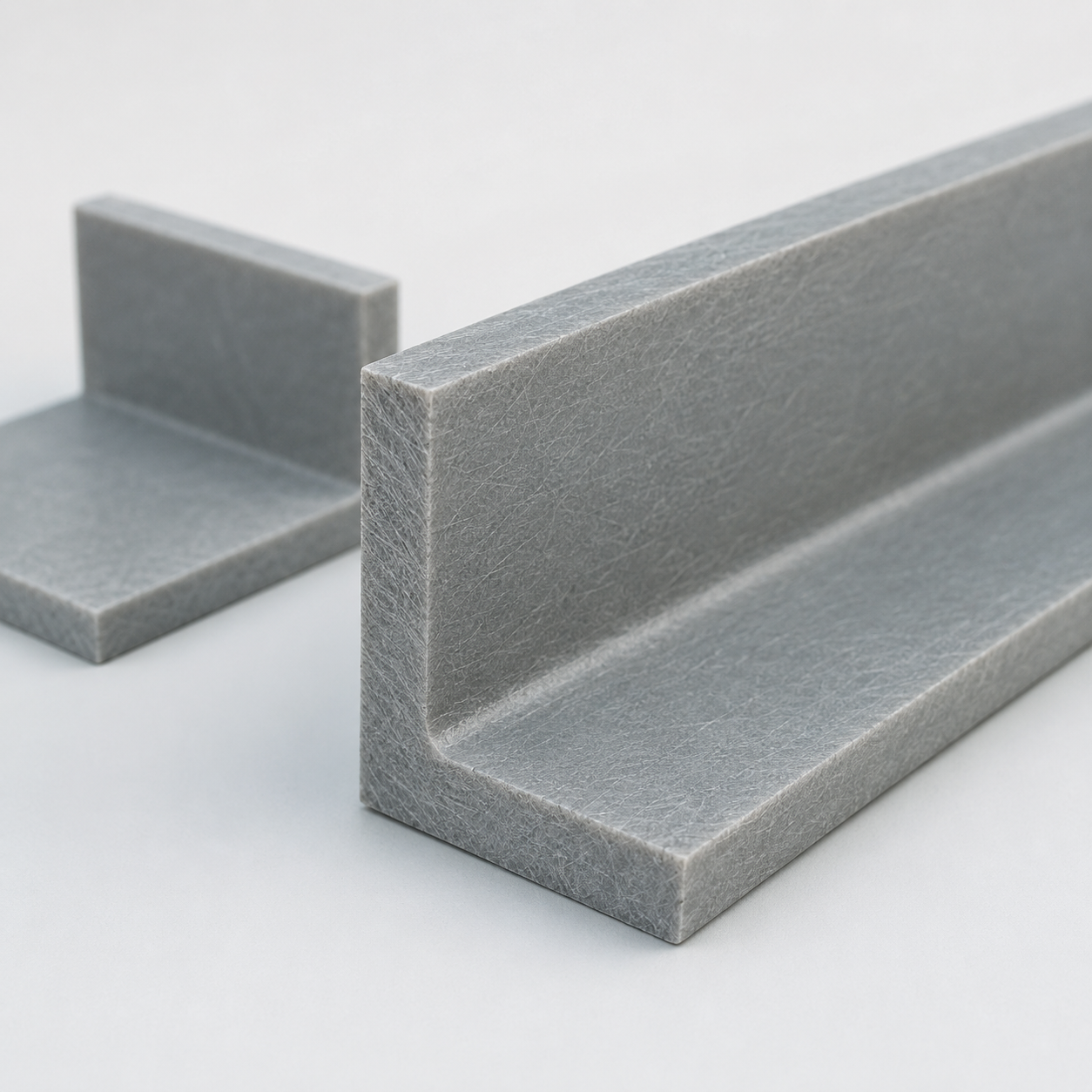
Corrosive environments
GRP profiles are useful around wastewater, marine, chemical, utilities and electrical infrastructure because they do not rust and are non-conductive.
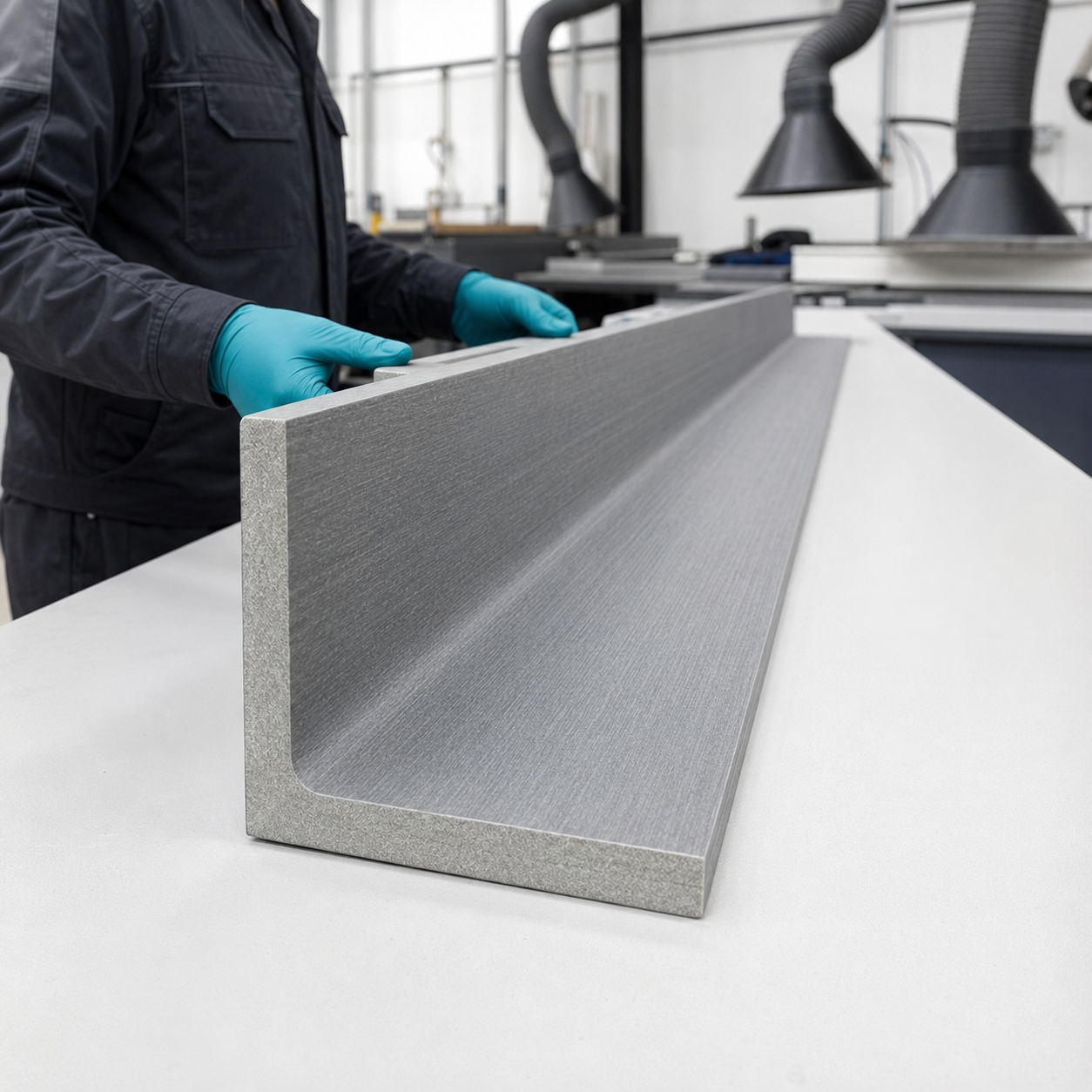
Fabrication preparation
Profiles can be supplied as stock lengths or prepared to a cut list for guards, frames, brackets, riser support and repeat project assemblies.
Find the most likely profile shape
Start with the job the section must do. Structural uses still need project-specific load, span, connection and deflection checks.
Suggested starting point
GRP angles
L-shaped profiles suit edging, cleats, brackets, support lips and corner details.
Explore this profileEdge trim, brackets, support lips and corner protection.
ChannelsU-shaped caps, guides, frames and protected edges.
Box sectionClosed square or rectangular sections for frames, posts and light supports.
TubesRound sections for rails, sleeves, guards and selected non-conductive details.
I-beamsStructural support routes subject to verified loads, spans and connections.
Flat barsStraps, packers, backing pieces and simple fabrication details.
Kick platesPlatform and walkway edges where loose items need to be retained.
Profile fixingsBolts, brackets and connection details coordinated with the chosen section.
Information that helps us route the profile order
| Question | Why it matters | Helpful detail |
|---|---|---|
| Is it structural or protective? | Structural use needs more checking than trim, guards or edge protection. | Loads, spans, fixing points, drawings. |
| What environment is it in? | Resin, colour and surface expectations may change for wet, chemical, marine or electrical areas. | Indoor/outdoor, UV, chemical exposure, salt, fire expectations. |
| How will it be fixed? | Fixing detail affects hole positions, cut lengths, bracket choice and site preparation. | Substrate, bolt size, centres, access restrictions. |
| Can we prepare it? | Cut-to-size preparation reduces site time and improves repeatability. | Cut list, drawings, quantities, tolerances. |
GRP profile questions
What is GRP box section?
Box section is the normal UK term for closed square or rectangular GRP profiles. It is commonly used for frames, posts, guards and light support fabrication.
What are round GRP sections called?
Round hollow profiles are simply described as GRP tubes. Confirm outside diameter, wall thickness, length and the intended connection detail.
Can GRP profiles be cut and drilled?
Profiles can be supplied to length and suitable repeat drilling, notching or CNC-style preparation can be reviewed from drawings. Tolerances, edge distances and orientation should be stated.
Can I use the selector for structural design?
No. It identifies a likely shape. Structural profiles require verified properties and project-specific checks for loads, spans, deflection, buckling and connections.
Which details should be on a profile cut list?
Include section size, wall thickness, finished length, quantity, hole or notch positions, tolerances, labels, colour and any grouping by assembly.
Why choose GRP profiles instead of steel?
GRP can be useful where corrosion resistance, low weight or electrical non-conductivity matters. The final choice still depends on duty, fire expectations, temperature, connections and lifecycle requirements.
Send a sketch and we’ll help name the parts.
If the profile route is not obvious, send a photo, sketch or drawing. We can help turn it into angles, channels, box section, tubes and cut lengths.

Continue the profile route
Move from guidance into profile families, cut planning and technical support.
Use these links to turn profile selection advice into a practical product, length or project support route.