
Sectors
GRP access products for commercial ports and quayside infrastructure
Ports need corrosion-resistant, low-maintenance access around quaysides, docks, service trenches, inspection routes, plant compounds and wet operational areas where steel and timber can become costly to maintain.
Port access areas to cover
This page should speak to port engineers, facilities teams, civil contractors and maintenance customers searching by application first: quayside access, dock edge maintenance, service trench covers, salt-exposed walkways and replacement panels.
Quayside and dock routes
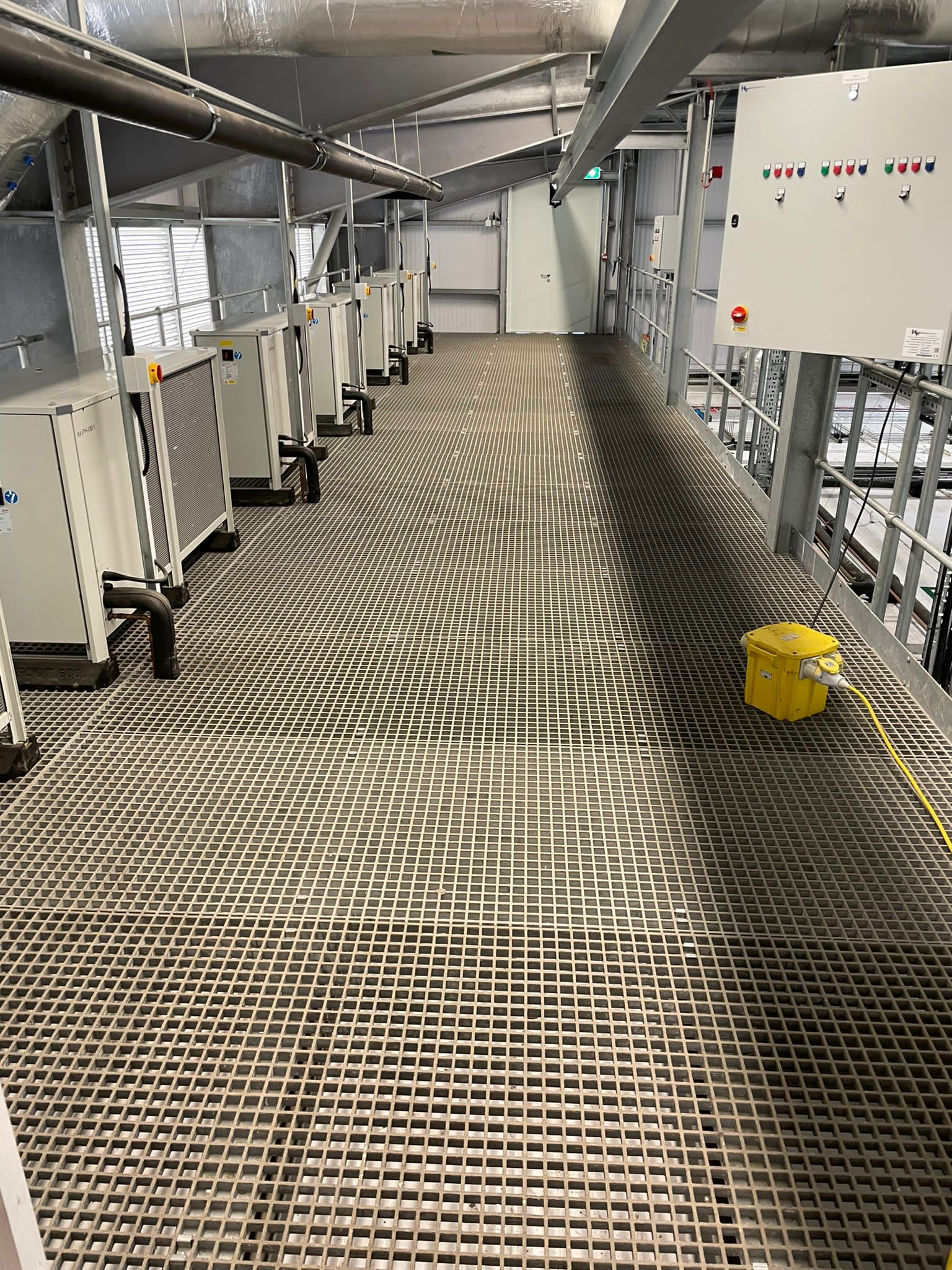
GRP grating, stair treads and handrails for wet, salt-exposed access routes around docks, quays, ferry terminals, loading areas and service platforms.
Service trenches and pits
Trench covers, duct covers and removable panels for cable routes, drainage channels, inspection pits and plant-side service access.
Replacement access panels
Low-maintenance GRP options where corroded steel, tired timber or heavy panels are slowing port maintenance work.
Specification prompts
- Confirm whether access is public, operational, maintenance-only, quayside, dockside or plant-side.
- Share spans, support centres, loading, removable panel needs, fixing method and lifting constraints.
- Flag salt exposure, washdown, oils, chemicals, vehicle interface, slip risk and colour requirements.
- Send drawings, templates or marked-up site photos for shaped covers and replacement panels.
Port product routes
These product routes help customers move from the port problem to the right GRP product family without forcing them through the full catalogue.
Send port project details before ordering
For port and quayside enquiries, send drawings, spans, support centres, load information, fixing details, exposure notes and any lifting or removable-cover requirements. The customer care team can route the enquiry before anything is over-specified.
Send port access detailsGRP products for quayside and dock access
Product routes for port walkways, service covers, dock edges, loading zones, steps and salt-exposed maintenance routes.


Customer care support
Need help matching GRP products to this site?
Send drawings, photos, spans, load notes or a cut list and the GRP Express customer care team can help route the enquiry to the right grating, handrail, profile, stair tread, fixing or cut-to-size option.
- Cut lists and marked-up drawings
- Product route and stock checks
- Trade and project order support
- Mixed-sector GRP enquiries
CNC cut port panels and shaped quayside covers
Ports and dock infrastructure often need panels shaped around drains, service trenches, bollards, pipework, frames and existing steelwork. GRP Express can support cut-to-size and CNC-cut GRP for awkward quayside and dockside access details.
Dockside service routes
Use shaped covers and grating for drainage channels, service pits, duct routes, inspection areas and salt-exposed maintenance routes.
Existing infrastructure
Marked-up photos, templates or drawings help with notches, irregular edges, lifting points and replacement panel details.
What to send
Include opening sizes, support details, load requirement, traffic type, salt exposure, fixing method and any port standard.
Choose GRP materials around salt exposure, wet access and heavy maintenance use
Ports and harbour environments need materials selected around weather, salt, drainage, slip risk, fixing access and maintenance traffic. Confirm whether the job is flooring, anti-slip retrofit, profiles, handrail or replacement access panels.
GRP flooring
Compare open mesh, solid top and pultruded flooring routes for access areas.
GRP gratingStainless fixings
Check clips, clamps and fixings around exposure, inspection and panel removal.
Stainless steel fixingsCut material packs
Send dimensions or schedules where replacement panels or profiles should arrive ready to fit.
Cut-to-size GRPGRP dockside walkways, port platforms and inspection access
Port-sector searches include GRP dockside walkway, port access platform, inspection grating, quayside access and corrosion-resistant trench or service covers. Salt exposure, heavy operations, vehicle interfaces and maintenance loads should be reflected in the product and support selection.